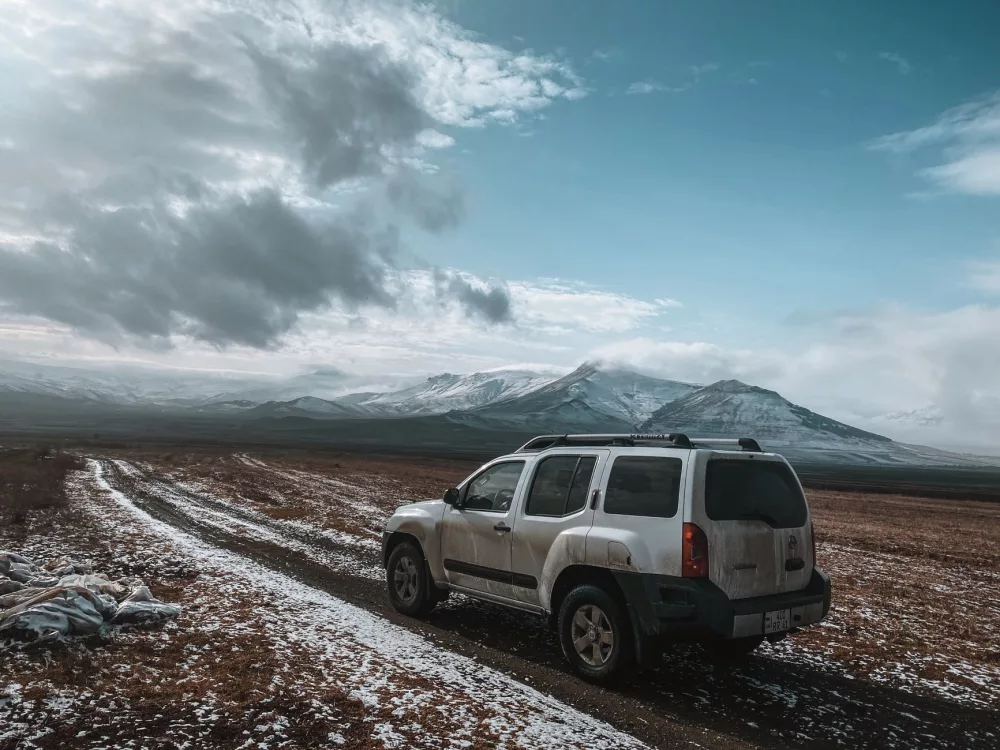
When you talk about SUVs that truly lived up to their rugged appearance, the Nissan Xterra pretty much immediately springs to mind. It wasn't just another pretty face in the ever-growing sport utility vehicle segment; this was a vehicle designed from the ground up for adventure, and it absolutely owned that niche. For me, it's one of those vehicles that holds a special place because it genuinely felt authentic in a market that was increasingly leaning towards softer, more family-friendly crossovers. I mean, let's be real, the Xterra didn't pretend to be something it wasn't.
The Genesis of a Legend: First Generation (2000-2004)
Nissan launched the Xterra in the year 2000, and it immediately stood out. Its design, if we're honest, was a bit quirky, a bit boxy, and very unpretentious. It clearly took inspiration from its sibling, the Pathfinder, but Nissan's goal was to create something even more focused on the outdoorsy crowd. They nailed it. I remember seeing these for the first time and thinking, "Now that's a truck that means business."
Design and Philosophy
- Rugged Aesthetics: The Xterra had an unmistakable look. Its raised roofline, pronounced fender flares, and the standard integrated roof rack with a gear basket on top just screamed adventure. You didn't need to add anything; it was ready right out of the box.
- Utilitarian Interior: Inside, things were straightforward and functional. You had durable plastics, simple controls, and a washable cargo area – a brilliant touch for anyone who actually used their SUV to haul muddy gear or wet wetsuits. This wasn't about luxury; it was about getting the job done.
- Core Mechanicals: Underneath, the first-gen Xterra was built on the tried-and-true F-Alpha platform, sharing components with the Frontier pickup. This meant a body-on-frame construction, a solid rear axle, and robust 4x4 systems – all essential ingredients for serious off-roading.
Initially, you could get it with a 2.4-liter four-cylinder engine, but most folks opted for the more capable 3.3-liter V6, which produced 170 horsepower. It wasn't a powerhouse, but it had enough grunt for tackling trails and highway cruising. For me, the first generation Xterra really defined what an affordable, capable off-roader should be without all the unnecessary frills.
Evolution and Enhancement: Second Generation (2005-2015)
The Xterra underwent a significant redesign for the 2005 model year, moving onto Nissan's then-new F-Alpha platform, which it shared with the Frontier pickup, Titan, and Armada. This update brought a whole host of improvements, making an already good vehicle even better. I think this is where the Xterra truly hit its stride.
What Changed?
The second generation was larger, more powerful, and boasted an even more aggressive look. Nissan didn't abandon the Xterra's core identity; they just amplified it.
- Power Boost: The biggest news was the new 4.0-liter VQ40DE V6 engine, churning out a very healthy 261 horsepower and 281 lb-ft of torque. This engine, shared with the Frontier, Pathfinder, and even the 350Z (albeit in a different tune), gave the Xterra the power it always deserved, whether you were climbing steep grades or merging onto a highway.
- Enhanced Off-Road Capability: Nissan doubled down on its off-road prowess. The available four-wheel-drive system featured a two-speed transfer case, and on higher trims like the Pro-4X (which was called Off-Road before 2009), you'd find an electronic locking rear differential, Bilstein off-road shocks, and skid plates. This stuff wasn't just for show; it worked beautifully.
- Refined, Yet Practical Interior: While still utilitarian, the interior felt more modern and comfortable. Those washable cargo areas with the innovative C-channel tie-down system remained, along with features like a first-aid kit in the tailgate – small touches that emphasized its adventure-ready nature.
- Styling Updates: The exterior retained its signature look but gained a more muscular stance. The stepped roofline and integrated storage box in the tailgate (a brilliant piece of design, in my opinion) carried over, solidifying its unique presence.
Throughout its second generation, the Xterra remained largely unchanged, which, in a way, was part of its charm. It stuck to its guns, resisting the urge to become a softer, more car-like SUV. It wasn't trying to be fancy; it was just trying to be rugged and reliable. And you know what? It succeeded wildly.
The Xterra's Undeniable Appeal and Eventual Departure
So, what made the Xterra such a beloved vehicle for so many years? I'd say it boils down to a few key things:
- Authenticity: It was a genuine body-on-frame SUV built for dirt, rocks, and bad weather. It didn't compromise its off-road chops for on-road comfort, striking a great balance instead.
- Reliability: Nissan's VQ engines are legendary for their durability, and the Xterra was no exception. Many owners racked up hundreds of thousands of miles without major issues.
- Utility: From its roof rack to its washable cargo area and versatile tie-down points, the Xterra was designed to carry gear, dogs, and muddy friends without a fuss.
- Value: Compared to some of its competitors, the Xterra often offered a better bang for your buck, especially if off-road capability was high on your priority list.
However, all good things eventually come to an end. Nissan ultimately discontinued the Xterra after the 2015 model year. Why? Well, it was a confluence of factors. Emissions regulations were getting tighter, and the Xterra's relatively older platform and thirstier engine weren't doing it any favors. Sales were also declining as the market shifted heavily towards more fuel-efficient, unibody crossovers and SUVs. I think it also lacked significant updates to keep pace with changing consumer tastes, which gravitated towards more luxurious and technologically advanced interiors.
The Xterra's Enduring Legacy
Even though production stopped, the Nissan Xterra isn't forgotten. In fact, its absence seems to have only solidified its iconic status among enthusiasts. Used Xterras, especially the Pro-4X models, command strong resale values and are highly sought after by those looking for a capable and relatively affordable off-road platform. You'll still see them everywhere, from suburban driveways to the most challenging trailheads, modified with bigger tires, lift kits, and more.
I see it as a testament to Nissan's original vision: build a true, no-nonsense SUV for adventurers. They did it, and they did it well. The Xterra, in my opinion, represents a golden era of practical, rugged SUVs that were designed for purpose rather than just appearances. It's a vehicle that inspires confidence when the pavement ends and doesn't ask for much in return, just a sense of adventure. It might be gone from showrooms, but its spirit lives on with a passionate community of owners who understand exactly what makes this machine so special. It's truly an icon that stands apart.